







Sand washing plants, aggregate quarries, and mineral processing facilities generate massive volumes of high-turbidity slurry daily. As environmental discharge standards and water recycling mandates tighten globally, achieving rapid solid-liquid separation, clear overflow for closed-loop recycling, and dense sludge dewatering is vital for operational profitability.
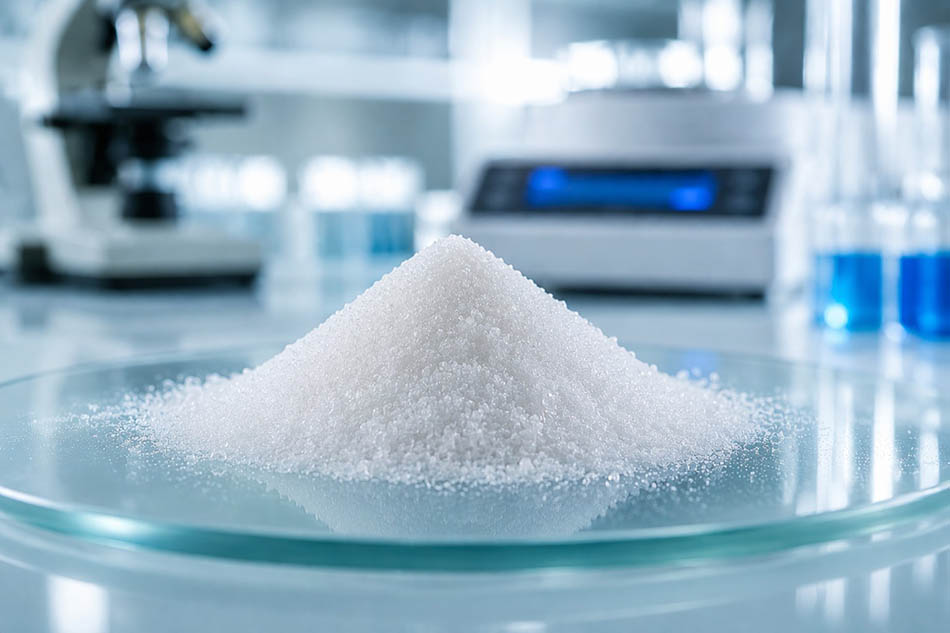
Polyacrylamide (PAM, CAS: 9003-05-8) is the most critical organic polymer flocculant used in sand washing thickeners, settling ponds, and filter presses. However, incorrect polymer selection frequently leads to slow sedimentation, high chemical consumption, muddy overflow, or blinding of filter press cloth.
This engineering guide provides a complete roadmap for selecting, dosing, and troubleshooting Polyacrylamide in sand washing wastewater treatment.
Sand washing wastewater varies significantly depending on the geological origin of the raw material (river sand, sea sand, manufactured mountain aggregate, or silica sand). Key characteristics include:
To bridge the negatively charged clay particles into large, rapidly settling flocs, Anionic Polyacrylamide (APAM) with high molecular weight and medium-high hydrolysis is the primary choice. In dual-dosing systems, Polyaluminum Chloride (PAC) is often added as a primary coagulant to neutralize charges before PAM bridging.
To maximize flocculation efficiency and prevent polymer wastage, accurate solution preparation and dosage calculations are crucial.
Polyacrylamide dry powder must always be fully dissolved in clean water prior to inline injection:
Example: For a dissolving tank at target concentration:
The actual active PAM dosage per cubic meter of wastewater is calculated as follows:
Typical Sand Washing Dosage Benchmarks:
"Fish-eye" refers to undissolved gelatinous clumps of PAM powder surrounded by a hydrated outer skin, which causes pipe clogging, wasted chemical, and filter cloth blinding.
       [ Dry PAM Powder ]
              │
       ┌──────┴────────────────────────────────┐
       ▼                                       ▼
[ Proper Dry Dispersion ]             [ Direct Fast Dumping ]
       │                                       │
       ▼                                       ▼
  Uniform Hydration                   "Fish-Eye" Sticky Clumps
(Complete Dissolution in 40-50 min) (Pipe Clogging & High Chemical Waste)A: In over of sand washing and aggregate operations, Anionic Polyacrylamide (APAM) is the correct choice because inorganic sand and clay particles carry negative surface charges. Cationic PAM (CPAM) is only required when the wastewater contains significant organic pollutants or for specific centrifuge sludge dewatering stages. Henan SECCO offers free lab beaker testing on your water samples to confirm the exact model.
A: When stored in its original, unopened packaging in a cool, dry, and well-ventilated warehouse (below ), SECCO PAM powder has a shelf life of 24 months. Because PAM is hygroscopic, any opened bag must be sealed immediately to prevent moisture absorption and caking.
A: We provide:
A: Yes. Henan SECCO provides comprehensive "Butler Service". You can send us 1–2 liters of raw sand washing wastewater or share your slurry parameters (solid content, settling velocity, equipment specs). Our laboratory will conduct jar tests, determine the optimum molecular weight and hydrolysis, and deliver a detailed dosing cost analysis report.
A: Under optimal selection and dosing conditions, active APAM consumption is typically . At current FOB prices, the chemical treatment cost is approximately $0.003 to $0.008 USD per cubic meter of wastewater, delivering high cost-efficiency and rapid return on investment.
If you are interested in our products or have any questions, please fill in the form below. We will contact you immediately after receiving it. Thank you for your choice

Tel:+86 18703633076
Email: secco@hnsecco.com
WhatsApp:8618703633076
 Polish
 Russian
 French
 UAE
UAE farsi
farsi belarusian
 Danish
 German
 Filipino
 Finnish
 Sanskrit
 Korean
 Dutch
Dutch Haitian
 Kyrgyz
 galician
 Czech
Czech Latin
Latin Lao
Lao Romanian
 Lingala
 Luganda
 Luganda
 Kinyarwanda
 Lithuanian
 Malay
Malay Bur
Bur Marathi
 Macedonian
 Bengali
 Norwegian
 Nepali
 Portuguese
 Japanese
 Swedish
 Serbian
 Slovak
 Slovenian
 Somali
 Thai
Thai Shierqi
 Ukrainian
 Welsh
Welsh Greek
Greek Hungarian
 Hawaiian
 Hindi
Hindi Indonesian
 Italian
 Vietnamese